

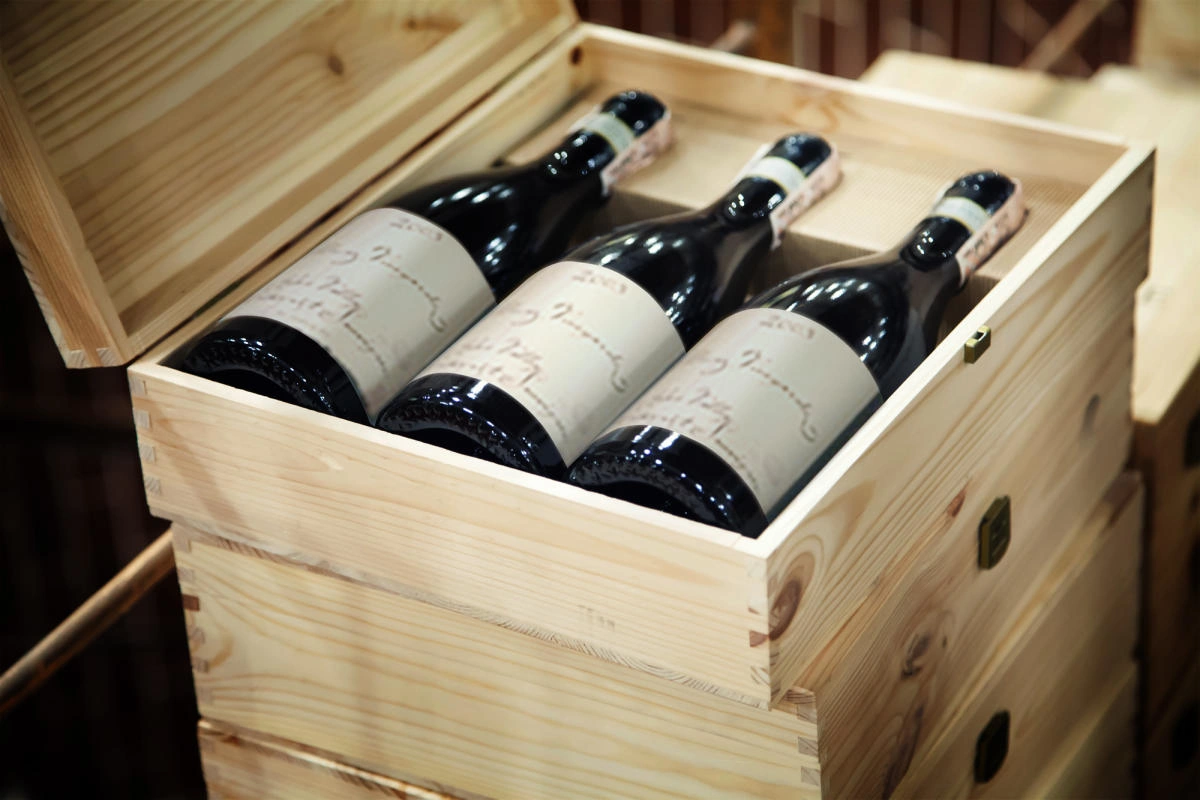
Wine can spend years becoming ready to drink, yet wine delivery can put all that care at risk in the final few miles. We were reminded of this during a conversation with a California winery operator who has worked in the industry for more than three decades. Her winery sells directly to restaurants and consumers, without relying on a distributor. The difficult part is rarely moving a case across the state. It is arranging the final handoff: the moment when the bottle, the driver and an adult recipient all have to be in the same place.
The Last Mile Becomes an Appointment
That handoff matters more than it does for an ordinary parcel. California direct-to-consumer wine shipments must be labeled for delivery to someone aged 21 or older, and both UPS and FedEx require an adult signature. FedEx says that when the recipient is unavailable, delivery may have to be attempted again.
A box of books can be left at the door; a case of wine cannot.
The last mile therefore becomes an appointment, even when the carrier gives the customer only a broad delivery window.
What Happens When Wine Waits
For the winery operator we spoke with, a missed appointment can leave wine on a truck overnight. That is not merely inconvenient. A peer-reviewed review of wine transportation research found that temperature fluctuations are more prevalent during land transport than sea transport and can reduce fresh, fruity and floral aromas. One study summarized in the review recorded a decrease in freshness when wine was exposed to temperatures above 25°C. The winery may control fermentation, barrel ageing and cellar storage for years, only to lose visibility during the final day of the journey.
Shipping Fewer Bottles Into a Tougher Market
The economic pressure is becoming harder to ignore. U.S. wineries shipped about $3.7 billion of wine directly to consumers in 2025, but shipment volume fell 15% and value fell 6%. At the same time, the average shipped bottle price rose 11% to $56.78, largely because buyers of lower-priced wines were leaving the channel faster than premium buyers. Wineries are shipping fewer bottles into a more demanding market, which makes every failed delivery, replacement and disappointed customer more expensive.
The Math of the Final Mile
Our conversation put that pressure into simple numbers. The winery pays roughly $10 per bottle for ground delivery within California and often absorbs the charge:
- On a $40 bottle, $10 adds 25% to the economics of the sale.
- On a $150 bottle, the same $10 adds just 6.7%.
That difference explains why a specialized delivery service should not try to replace parcel carriers for every order.
Where Woosh Fits in Wine Delivery
The best Woosh use case begins where order value, bottle count and urgency meet. The winery identified three-to-six-bottle restaurant orders and scheduled premium direct-to-consumer deliveries as the strongest opportunities. At the winery’s existing rate, six bottles already cost about $60 to ship. Using the approximately $65 base-shipment figure in Woosh’s business plan, a six-bottle order could approach cost parity while adding same-day movement, a narrower handoff window and better visibility. For one inexpensive bottle, the same economics would make little sense.
From “Arriving Today” to a Planned Handoff
Woosh is designed to create that service without dispatching a new dedicated vehicle for every order. The platform matches business shipments with suitable capacity already moving through the area, then tracks the trip from pickup to delivery. Its present workflow includes:
- Live milestone tracking
- Pickup and drop-off photos
- Signature capture
- A digital chain of custody
For a local wine order, those tools could turn “arriving today” into a planned handoff that both the winery and customer can follow.
The lesson from wine is that better logistics does not always mean faster logistics. It means knowing when a valuable product will arrive, keeping control of it along the way and making the first delivery attempt count. For a winery, the shipment is not complete when the box reaches the neighborhood. It is complete when the right person receives the wine in the condition the winemaker intended.
Enjoyed this? Get Woosh insights on commuting, freight, and smarter logistics in your inbox.
Subscribe to our newsletter